
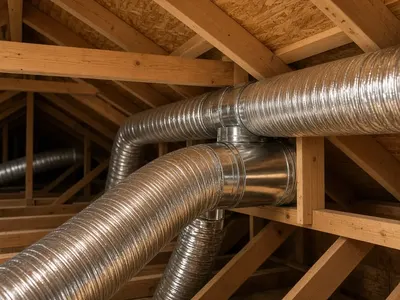
Duct Repair in Pinellas Park
We test, seal and replace leaky ductwork so cool air reaches every room. As a Duke Energy approved contractor, we can help qualifying homes use Duke's duct test and repair rebates.
See our duct repair service →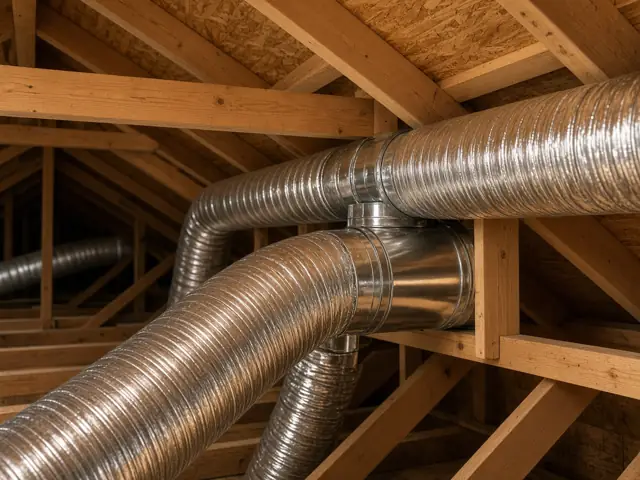
AC vents sweating happens when humid air reaches the cold metal register or duct boot, usually through gaps around the boot, damaged duct insulation in the attic, or high indoor humidity. Wiping it hides the problem. Sealing the boot, fixing insulation or leaks, and keeping humidity below 60% stops it. Pinellas Cooling & Heating inspects and repairs ducts in Pinellas Park.
Drops of water on a ceiling vent, a damp ring on the drywall, or the odd drip on the floor are common in humid Pinellas Park homes. Left alone, that moisture can stain ceilings and invite mould. The fix is rarely complicated once you know where the moisture is coming from, and that's what this page helps you work out.
It's the same thing that happens to a cold glass of iced tea on the porch. Air holds moisture, and when warm, humid air touches a surface colder than its dew point, the moisture turns into water droplets on that surface. Your AC supply air is cold, so the metal register and the duct boot behind it are cold too. If humid air can reach them, they sweat.
The most common reasons humid air gets there:
Before you fix the vent, make sure it's actually condensation. Here's how to tell:
| Clue | Sweating vent (condensation) | Roof or drain leak |
|---|---|---|
| When it happens | When the AC is running, especially on humid days | After rain (roof) or when the AC runs a long time (drain) |
| Where the water is | Beads on the register face or a ring right around it | A spreading stain, often away from the vent |
| Stops when AC is off | Usually yes, after a short time | Roof leaks don't; drain leaks may stop slowly |
| Other signs | Several registers sweat | Water in the drain pan, float switch trips, rain-related drips |
How to tell AC registers sweating from other leaks.
If you suspect the condensate drain or air handler is leaking, check the drain pan. A full pan or a tripped float switch points to a drain problem rather than vent condensation.
These checks are safe and often help:
If the sweating continues after these, the cause is likely in the attic: the boot seal, duct insulation or duct leaks.
AC not cooling right now? Call (727) 761-8873 (answered 24/7) or get a free quote.
We work from the register up:
Yes, if it's ignored. Repeated moisture around a register can stain and soften drywall, peel paint and create the damp conditions mould needs. The EPA notes that the key to mould control is moisture control: fix the source of the water, dry wet areas quickly, and keep humidity down. If you see dark spots around a vent, or the ceiling feels soft, have it checked. We'll fix the moisture source; any significant mould growth or damaged drywall may need a specialist or a drywall repair once the cause is solved.
Sealing a few boots and fixing local insulation is usually a modest repair. Replacing damaged duct runs costs more. Our guide to ductwork replacement cost in Pinellas Park has published market ranges, from repairing two or three runs (about $600–$1,800, market estimate) up to a full re-duct. Our diagnostic visit is $125, credited toward the repair if you go ahead.
Book duct repair in Pinellas Park, or look at our indoor air quality and humidity services in Pinellas Park if the whole house feels damp.
Sources: U.S. EPA, A Brief Guide to Mold, Moisture, and Your Home (epa.gov); Duke Energy Florida, Duct Test and Repair Rebate (duke-energy.com); Florida Breeze HVAC, ductwork replacement cost guide (floridabreezehvac.com). Prices are market estimates, not quotes.
Usually because humid attic air is reaching the cold register through a gap around the boot, or the duct insulation behind it is damaged. High indoor humidity and the fan set to ON make it worse.
No. Closing a vent can make the register and duct colder and raise pressure in the ducts, which can make condensation and leaks worse. Keep it open and fix the cause.
It can help if the whole house is humid, because lower indoor humidity means less moisture to condense. It won't fix attic air leaking around a boot or damaged duct insulation, which are the more common causes.
We test, seal and replace leaky ductwork so cool air reaches every room. As a Duke Energy approved contractor, we can help qualifying homes use Duke's duct test and repair rebates.
See our duct repair service →
We install whole-home dehumidifiers, UV lights, air purifiers and better filtration. Together they keep your home near 45–55% humidity and cut musty smells and mold.
Improve indoor air quality in Pinellas Park →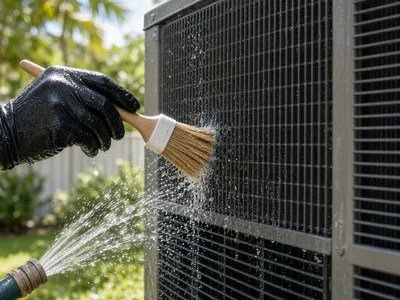
Our twice-a-year tune-ups clean the coils, flush the drain line and test capacitors and refrigerant. That catches small problems before they become midsummer breakdowns.
Schedule an AC tune-up in Pinellas Park →Licensed, local, and the price explained before any work starts.